Power Consumption Comparison of NEMA4X in Data Center Hot Aisle
NEMA4X enclosures in hot aisle containment environments may experience slightly higher power consumption due to elevated ambient temperatures, but proper containment and cooling strategies can mitigate efficiency losses.
Thermal Impact on Power Equipment
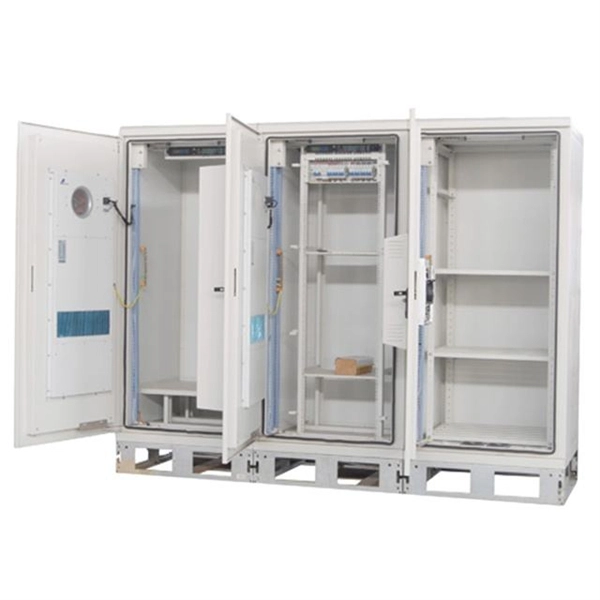
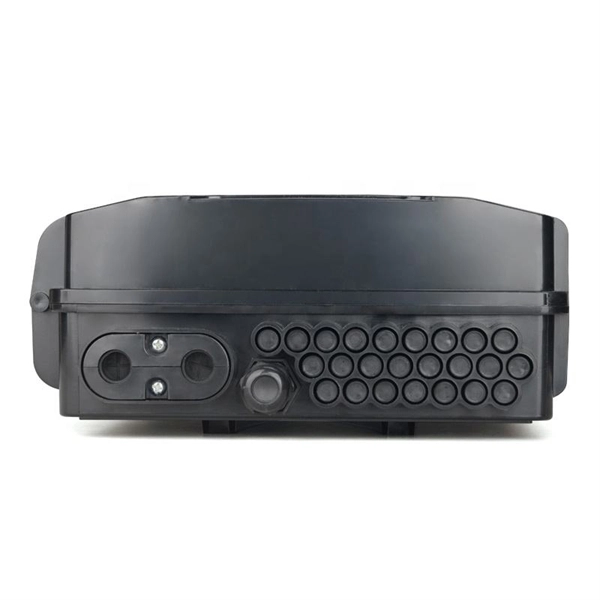
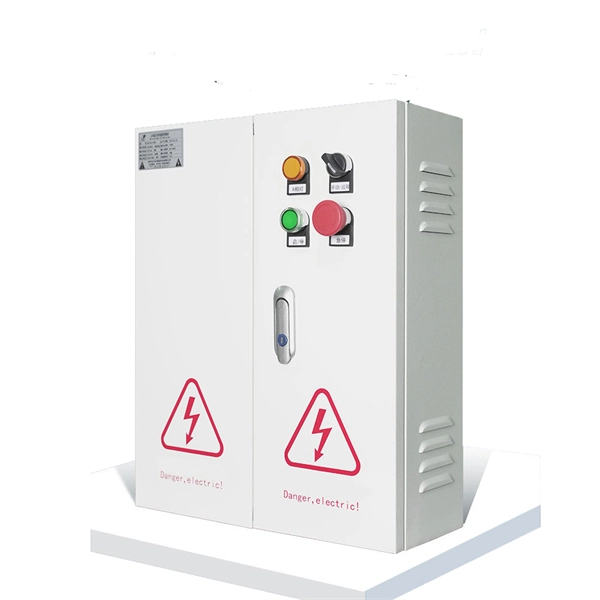
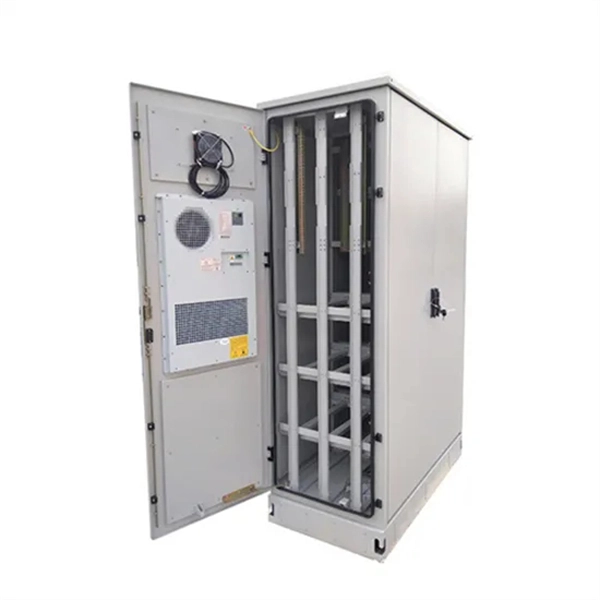
NEMA4X-rated enclosures are designed for dust, water, and corrosion resistance, but in a data center hot aisle, the ambient temperature can rise significantly due to server exhaust air. ASHRAE guidelines note that power distribution equipment, including UPS, switchgear, and PDUs, located in hot aisles must be rated for higher operating temperatures, as elevated heat can increase internal fan usage and reduce efficiency, potentially raising power consumption slightly compared to cooler environments (ASHRAE TC9.9) .
Hot Aisle Containment (HAC) Considerations
Hot aisle containment captures and directs exhaust air from servers back to cooling units, maintaining a cooler room environment outside the aisle. CFD studies indicate that HAC systems with raised floors improve air distribution efficiency by up to 28%, reducing recirculation and hotspots, which indirectly helps NEMA4X enclosures maintain optimal internal temperatures and avoid excessive fan operation . Without proper containment, bypass air can cause uneven cooling, forcing internal fans in enclosures to work harder, increasing power draw.
Rack Power Density and Equipment Efficiency
Modern data centers often exceed 30–50 kW per rack, with future designs targeting over 100 kW/rack. NEMA4X enclosures housing high-density power equipment may see incremental power consumption increases in hot aisles due to higher intake temperatures, but this is mitigated by efficient airflow management, variable frequency drives (VFDs), and electronically commutated (EC) fans, which can reduce fan energy use by 20–35% . Properly sealed enclosures and optimized airflow paths are critical to minimizing these losses.
Practical Recommendations
- Monitor inlet temperatures: Use sensors to track NEMA4X internal temperatures and adjust cooling dynamically.
- Optimize containment: Ensure hot aisle containment is properly sealed to prevent recirculation and bypass air.
- Use energy-efficient fans: EC or VFD-controlled fans in enclosures reduce power draw under variable load conditions.
- Consider liquid cooling: For high-density racks, integrating rear door heat exchangers or direct-to-chip cooling can reduce internal enclosure fan usage and overall power consumption .
Summary
While NEMA4X enclosures are robust, hot aisle placement can slightly increase power consumption due to elevated ambient temperatures. However, implementing hot aisle containment, efficient airflow management, and smart fan control can minimize these effects, maintaining energy efficiency and equipment reliability in high-density data centers .
 Factory
 Numerical analysis of the individual and combined effects of the aisle
These findings highlight that the aisle containment strategies should not be applied uniformly across facilities, but rather
 Factory
 Electricity Demand and Grid Impacts of AI Data Centers: Challenges
Abstract The rapid growth of artificial intelligence (AI) is driving an unprecedented increase in the electricity demand of
 Factory
 Impact of Hot and Cold Aisle Containment on Data Center
The choice of hot-aisle containment over cold-aisle containment can save 43% in annual cooling system energy cost, corre-sponding
 Factory
 Server Room Energy Costs: 5 Levers
Save energy in the server room without new hardware. Five concrete levers: hot-aisle / cold-aisle separation, server
 Factory
 Optimizing Thermal Performance in Data Centers: A Comparative
This article presents a comparative evaluation of HAC and CAC, underpinned by Computational Fluid Dynamics
 Factory
 Move to a Hot Aisle/Cold Aisle Layout
A Time-tested Technique The hot aisle /cold aisle data center layout was originated by IBM in 1992 and it is one of the oldest ways to
 Factory
 Cold & Hot Aisle Containment For Data Center Efficiency
Cold aisle and hot aisle containment systems have emerged as essential strategies in modern data center airflow
 Factory
 Best Practices Guide for Energy-Efficient Data Center Design
This guide provides an overview of best practices for energy-efficient data center design which spans the categories of information
 Factory
 Hot-Aisle vs. Cold-Aisle Containment for Data Centers Revision 1
With cold-aisle containment, the general working area (walkways, workstations, etc.) becomes the hot aisle as shown in Figure 6.
 Factory
 Thermal management in legacy air-cooled data centers: An overview
Hot-Aisle Containment or exhaust chimneys provide better thermal and energy performance than open and/or cold
 Factory
 ASHRAE TC9.9 Data Center Power Equipment Thermal Guidelines
the data center thermal environment may affect power distribution equipment. This paper also provides an overview of data center
 Factory
 Energy and Thermal Efficiency | AI Data Center Energy Performance
This page is part of the PNNL/ASHRAE/NEMA AI Data Center Energy Performance Framework and focuses on energy and thermal
 Factory
 Optimizing Cooling Efficiency in Modern Data Centers
Cooling systems in data centers account for roughly 30% to 40% of total energy consumption. As rack densities grow
 Factory
 An Experimental Analysis of Hot Aisle Containment Systems
Four scenarios with and without the presence of cold and hot aisle containments are investigated and compared. The transient
 Factory
 Energy consumption in data centers: air versus liquid cooling
By implementing innovative cooling technologies, such as liquid cooling, hot and cold aisle containment or optimized airflow
 Factory
 Cold & Hot Aisle Containment For Data Center Efficiency
Learn how cold and hot aisle containment improves airflow, reduces energy use, and boosts reliability in data centers.
 Factory
 Maximizing Data Center Efficiency: Technical Impacts of Hot Aisle vs
Hot Aisle Containment (HAC): Efficiency vs. Complexity Hot aisle containment encloses the hot aisle with panels or
 Factory
 Data Center Power Design Overview | phoenixNAP Blog
Effective data center power design is the foundation for optimizing performance, minimizing disruptions, and mitigating
 Factory
 A Comparative CFD Study of Two Air Distribution Systems with Hot
Rising energy cost and energy consumption has prompted data centers to consider hot aisle and cold aisle
 Factory
 An experimental and theoretical investigation of the extent of bypass
A new system model is developed using a combination of manufacturer data, empirical relationships and experimental
 Factory
 Power usage effectiveness
Power usage effectiveness (PUE) or power unit efficiency is a ratio that describes how efficiently a computer data center uses
 Factory
 Optimizing Thermal Performance in Data Centers: A
Abstract Data centers are power- and cooling-intensive facilities where even minor inefficiencies can translate into
 Factory
 Data Center Cooling Design: Theory, Strategies, and Emerging
Such power densities demand a shift from traditional airflow strategies toward advanced, performance-optimized data
 Factory
 Hot Aisle Containment: Enhancing Data Centre Efficiency
We''ve developed a technical support team that can help you navigate the differences to find the best approach for your facility,
 Factory
 Liquid vs Air Cooling for Data Centers 2026: Cost & Efficiency Analysis
Data Center Cooling 2026: Liquid Immersion vs Air — TCO & Performance Institutional TCO comparison of liquid immersion vs air
 Factory
 Data center HVAC cooling systems
Data center HVAC cooling systems. How the different types work and comparision of design with CFD, CRAC units,