Electricity Safety Issues in Construction Site Distribution Boxes
Construction site distribution boxes pose significant electrical hazards, including shock, fire, and equipment damage, which can be mitigated through proper enclosure design, grounding, and safe installation practices.
Common Safety Hazards
Water Ingress: Rain, standing water, or washdown sprays can enter distribution boxes and connectors, causing short circuits, electrocution, or fires . Mechanical Damage: Heavy foot traffic, forklifts, or ropes can crush or pull cables, loosening connections and exposing live parts . Poorly Protected Terminations: Exposed contacts, stripped insulation, or improvised splices increase the risk of electric shock and arc flashes . Dust and Debris: Construction dust can create conductive paths, leading to leakage currents or fires . Human Error: Miswired sockets, incorrect breaker ratings, and lack of ground-fault protection are common causes of accidents . Overloading: Temporary panels may be overloaded if not designed for the maximum anticipated load, increasing fire risk . Live Work: Working on energized circuits without proper precautions can result in burns, shocks, or arc flashes .
Best Practices for Safety
Use IP-Rated Enclosures: Distribution boxes with IP65–IP67 ratings protect against water and dust ingress, reducing shock and short-circuit risks . Industrial Waterproof Plugs: Pairing distribution boxes with industrial-grade waterproof connectors ensures secure, weather-resistant connections . Proper Grounding and Bonding: All panels, tools, and generators must be grounded to provide a safe path for fault currents and prevent electrocution . GFCI Protection: Ground Fault Circuit Interrupters should be installed to cut off power during electrical faults, protecting workers from shocks . Routine Inspection and Maintenance: Daily checks of cables, connectors, and panels help identify damage or wear before accidents occur . Safe Installation Practices: Cables should enter and exit boxes through insulated bushings, and covers should only be removed by authorized personnel . Load Management: Ensure distribution boxes are rated for the maximum expected load, and avoid daisy-chaining extension cords . Training and Awareness: Workers should be trained to recognize hazards, maintain safe distances from overhead lines, and follow lockout/tagout procedures .
Regulatory Compliance
Construction site electrical systems must comply with National Electrical Code (NEC), OSHA standards, and local regulations. Proper design, installation, and maintenance are essential to meet these requirements and reduce liability .
Conclusion
Distribution boxes on construction sites are critical for temporary power but present multiple safety risks. Mitigating hazards requires robust enclosures, waterproof connectors, proper grounding, GFCI protection, routine inspections, and worker training. Implementing these measures ensures safer temporary electrical systems, reduces the risk of shocks, fires, and equipment damage, and maintains compliance with safety standards .
 Factory
 Electrical Safety in Construction
Construction sites often involve complex electrical systems and heavy machinery, which can pose significant risks. By prioritizing
 Factory
 Stay Safe: A Practical Guide to Electrical Safety on Site
Electrical safety is a top priority on any construction site. Working with electricity brings inherent risks, from electric
 Factory
 Temporary Jobsite Power Setup: NEC & OSHA Compliance Guide
In this blog post, you''ll get actionable tips on how to ensure compliance with NEC (National Electric Code) and OSHA
 Factory
 Electrical Safety in Construction: A Complete Guide
Electrical safety in construction is essential to prevent electric shock, fires, and project delays. Following the National
 Factory
 Practical Discussion on Safety Management of Temporary Electricity
Based on this, this paper first analyzes the three core characteristics of temporary electricity, then expounds on the importance of its
 Factory
 Temporary Power Distribution Boxes for Electrical Installation
Temporary power distribution boxes for flexible electrical installation. Robust solutions for construction sites, events and temporary
 Factory
 Temporary electrical wiring for construction sites
work requires electrical power for many purposes. However, exposure to weather, frequent relocation, rough use and other condi
 Factory
 Electricity in construction
HSE and other organisations have produced guidance on electrical safety that is suitable for a wide range of industries and technical
 Factory
 SAFETY TOOLBOX TALK Low Voltage Electrical Hazards
Arc flashes can occur without direct contact and cause severe burns. Lockout/Tagout is the only safe method before
 Factory
 Electrical Safety in Construction Areas
Every year, electrical incidents cause serious injuries, fires, and fatalities on construction sites. This article covers the
 Factory
 Temporary Electrical Installations for Construction Sites
Ensure safety on construction sites with our guide on Temporary Electrical Installations. Get practical tips and advice on
 Factory
 Electrical Safety in Construction Areas
Electrical Safety in Construction Areas Construction sites are full of electrical hazards — temporary wiring, power
 Factory
 Common Electrical Hazards on Construction Sites
Want to make sure your construction site is as safe as possible? Here''s a closer look at the most common
 Factory
 How to Choose the Right Power Distribution Box for Your Construction Site
Select the right power distribution box by matching site power needs, safety standards, and future expansion for
 Factory
 Electrical Safety Tips: How to Reduce Electric Shock Hazards
Schedule periodic inspections of your electrical systems by qualified professionals to identify and address potential
 Factory
 Electrical Safety Guidelines for Construction
The temporary electrical systems on constantly changing construction sites present challenges to safety. The document provides
 Factory
 How To Maximize Worksite Safety When Using Power Distribution Boxes
Temporary power distribution is an essential but potentially dangerous aspect of most jobs. Temporary electrical
 Factory
 Electrical Safety Considerations for Construction Businesses
Temporary power setups on construction sites often involve generators, extension runs, and distribution panels that
 Factory
 Safety requirements of distribution box
The distribution box has the characteristics of small size, simple installation, special technical performance, fixed location, unique
 Factory
 Electricity
If a bulb breaks, the exposed filament may present a hazard. Have a system for checking bulbs regularly to maintain electrical safety
 Factory
 A Guide to Electrical Safety on Construction Sites
Master electrical safety on construction sites with this essential UK guide. Learn to identify hazards, comply with regulations, and
 Factory
 Site Boxes IP44 IK09 Single-Phase and Three-Phase
Site Boxes On a construction site, temporary power supply determines the safety of the entire team and the continuity of work. The
 Factory
 9 Must-Follow Electrical Safety Tips for Construction Sites
Ensure electrical safety on construction sites with essential Electrical Safety Tips for Construction Sites to prevent
 Factory
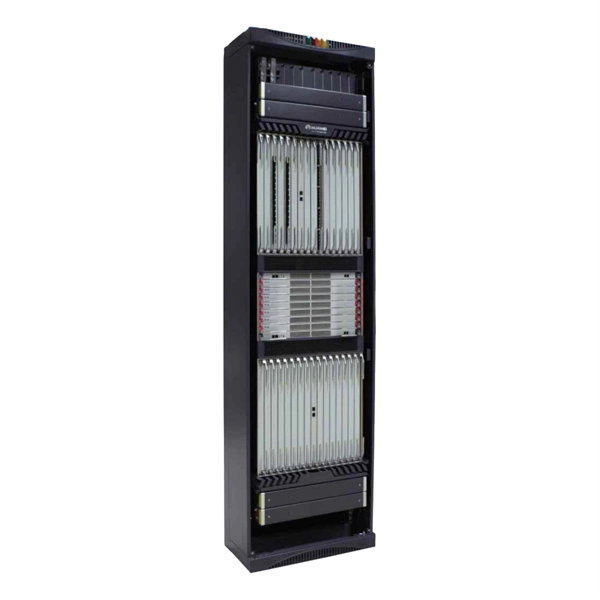
 Summary of key points for construction and installation of distribution
The construction and installation points of distribution boxes and switch boxes are summarized as follows: 1. Select qualified
 Factory
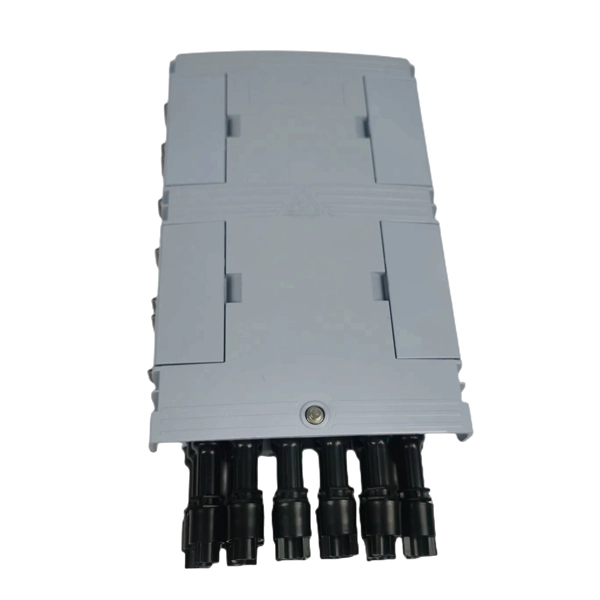
 Detailed introduction of safety requirements for distribution box
The distribution box shall be installed in the area where the electric equipment is relatively concentrated. 3. The power
 Factory
 Expert Guide: Select the Right Temporary Power Distribution Box
Conclusion Safe and efficient power management requires reliable temporary power distribution boxes at construction sites, events,
 Factory
 Electrical
Working with electricity can be dangerous. Engineers, electricians, and other professionals work with electricity directly, including
 Factory
 Electrical safety on construction sites
Revised guidance aligned to the health and safety when handling electrical devices on construction sites.
 Factory
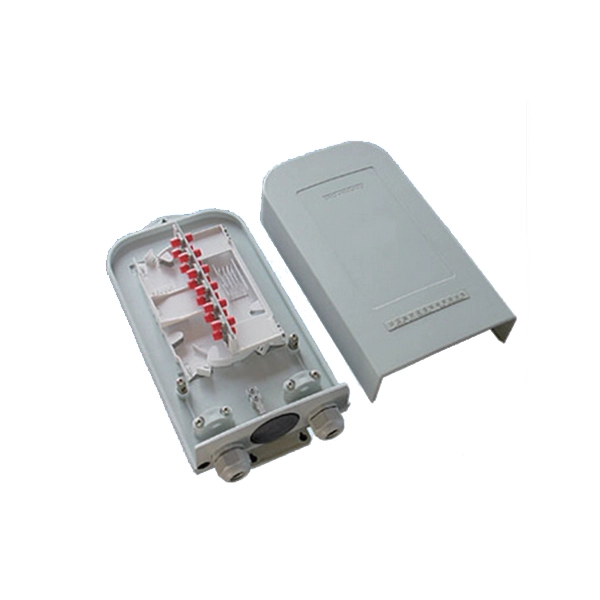
 Key Points Of Installation And Collocation Of Distribution Box In
The power distribution system at the construction site shall be distributed in different levels. The main distribution box (or distribution
 Factory
 Temporary Power Safety: Distribution Boxes + Industrial Waterproof
Learn how construction power, temporary electrical boxes, and IP67 connectors combine with E-abel distribution