Grounding Regulations for Distribution Boxes and Meter Boxes
Proper grounding of distribution boxes and meters ensures safety, prevents electrical hazards, and complies with regulatory standards such as the NEC and OESC.
Key Regulatory Requirements
Single-Point Grounding: The Ontario Electrical Safety Code (OESC) mandates that the supply authority system grounded conductor (neutral) must be connected at one point only at the consumer's service. For a single meter base and service box, grounding can be made at either the meter base or the service box, but not both, to prevent objectionable currents and ensure safety . In multi-gang meter bases, grounding must occur at the meter base, with bonding connections between service boxes sized according to code . Grounding Electrode Requirements: The National Electrical Code (NEC) specifies that grounding electrodes, typically copper-clad steel rods, must be at least 8 feet long and 1/2 or 5/8 inches in diameter. The rod must be fully driven into the soil to provide a low-resistance path for fault currents . In difficult soil conditions, rods may be driven at an angle not exceeding 45 degrees, provided the full length remains in contact with the earth . Grounding Conductor Sizing: The Grounding Electrode Conductor (GEC) connecting the meter box or main service panel to the grounding electrode must meet minimum size requirements based on the largest ungrounded service-entrance conductors. Approved clamps rated for direct burial and corrosion resistance must be used to ensure a mechanically secure and electrically sound connection .
Practical Installation Considerations
Resistance Testing: Grounding systems should achieve a maximum resistance of 25 ohms. If a single rod does not meet this requirement, multiple rods connected with a continuous conductor should be installed . Approved conductive backfill, such as bentonite clay, may be used to improve soil conductivity without causing corrosion . Bonding: All metallic enclosures, raceways, and equipment grounding conductors must be bonded to maintain electrical continuity and ensure all metal parts are at the same potential, reducing shock hazards . Equipment grounding conductors should be sized equal to phase conductors to improve fault clearing times . Material Selection: Only high-quality copper conductors should be used for buried runs, as aluminum corrodes over time. Partnering with certified suppliers ensures compliance with purity standards and long-term reliability . Location and Layout: The grounding electrode should be installed near the meter box or main service panel to minimize conductor length. It must be at least 2 feet away from the building foundation and free from underground utilities . The top of the rod should be flush with or below ground level unless protected by an enclosure .
Safety Functions
Grounding provides two primary safety functions: limiting dangerous voltage and facilitating the operation of overcurrent protection devices. It diverts transient energy from lightning strikes or faults safely into the earth, preventing damage to appliances and reducing shock hazards . Proper bonding ensures that if a “hot” conductor contacts a metal part, the fault current trips the breaker immediately, de-energizing the system .
Summary
To comply with regulations and ensure safety:
- Use single-point grounding at the meter base or service box.
- Install properly sized grounding electrodes and conductors.
- Bond all metallic components to maintain equal potential.
- Test resistance and use multiple rods or conductive backfill if necessary.
- Select high-quality copper materials and follow installation distances and layout requirements. Following these practices ensures a safe, code-compliant, and reliable grounding system for distribution boxes and meters.
 Factory
 National grid logo and tag
Install, own and maintain: transformer pad, reinforcement and grounding, oil containment where required by the Company or local
 Factory
 DUKE UNIVERSITY CONSTRUCTION STANDARDS 1
Introduction Grounding is utilized within electrical distribution systems to provide an alternative, low- impedance path around the
 Factory
 Grounding & Bonding — Why it is done And How to Install Properly
Bonding is accomplished when the electrician connects equipment grounding conductors to the equipment grounding terminal bar in
 Factory
 NEC Requirements for Grounding of Services | EC&M
Correct grounding of services depends upon understanding the definition and role of the grounded conductor.
 Factory
 ARTICLE 250 GROUNDING AND BONDING
GROUNDING AND BONDING Introduction to Article 250—Grounding and Bonding ounding electrical installations. The terminology
 Factory
 GROUNDING AND BONDING FOR ELECTRICAL SYSTEMS
The designer will evaluate the sizing of the grounding system and the need for an isolated or bonding ground system separate from
 Factory
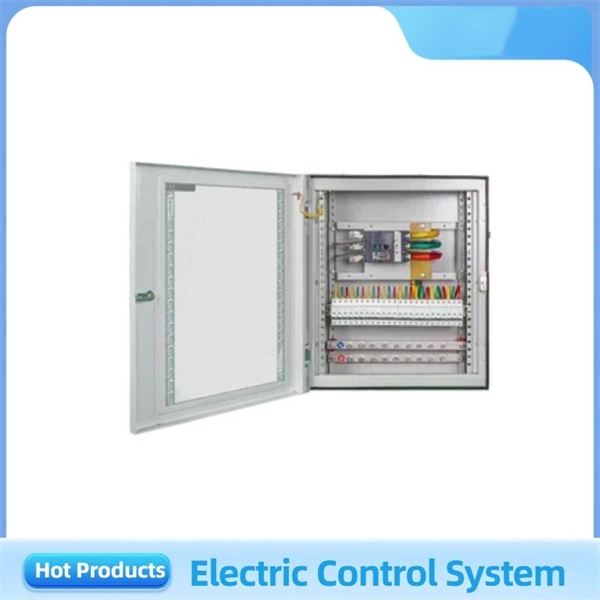
 DISTRIBUTION BOX
Each DISTRIBUTION BOX and controller must be grounded. On the US market, a 5.26 mm 2 (10 AWG) ground wire
 Factory
 METER ROOM_RE M final lastlast
5.7. All meter boxes shall be installed at a height of 200 mm from ground to the bottom of the meter box. Civil construction
 Factory
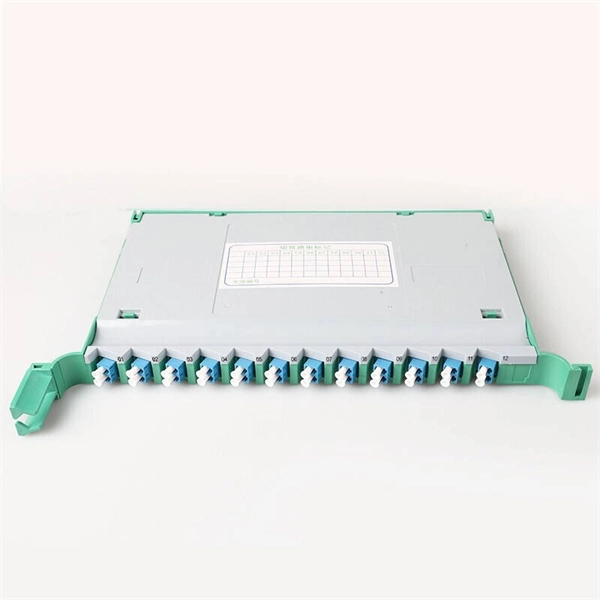
 What Is a Meter Box? A Complete Guide to Types, Safety, and
Learn what a meter box is, why it matters for electrical safety, its types, components, standards, and best installation
 Factory
 10-15-* Grounding with a meter base on the supply side of service boxes
Where the consumer''s service has a single meter base and service box, the Ontario Electrical Safety Code (OESC) permits the
 Factory
 10-15-* Grounding with a meter base on the supply side of service boxes
When grounding is installed at the meter base, the grounding conductor is not permitted to be installed in the conduit containing the
 Factory
 The Basics of Grounding and Bonding
Section 250.4 states the general requirements for grounding and bonding of electrical systems for both grounded and ungrounded
 Factory
 How to Properly Ground an Electrical Meter Box
Essential guide to code-compliant electrical meter box grounding. Understand materials, installation steps, and crucial
 Factory
 GROUND GRID SPECIFICATIONS
Each Power Circuit Breaker or Power Transformer having a bushing Voltage Transformer on the tank shall have the Voltage
 Factory
 Electrical grounding and bonding per NEC
Understanding correct grounding and bonding design and construction is crucial for proper electrical system operation
 Factory
 Microsoft Word
SEC Distribution System extends from the MV (33 kV, 13.8 kV) feeder outlets of HV / MV Substations down to SEC Customer
 Factory
 Electrical grounding and bonding per NEC
The intent of this article is to discuss the requirements of solidly grounded, alternating current electrical systems less
 Factory
 Grounding System Installation Standards for Distribution Boxes and
Whether you''re a seasoned pro or just starting out, this comprehensive guide will give you practical insights into proper
 Factory
 Where Should I Place My Meter Box
Where Can I Put My Meter Box & What Regulations do I Need to Follow? A meter box acts as a protective shield for
 Factory
 Article 250
Separately derived systems The grounding and bonding requirements for separately derived systems are in 250.30. What has