Which is better pigtail fiber or armored pigtail fiber
Regular fiber pigtails are standard, lightly protected fibers for controlled environments, while armored pigtails include a protective layer for enhanced durability in harsh or high-risk installations.
Structural Differences
- Regular (Standard) Pigtail Fiber: Typically consists of a 0.9mm tight-buffered fiber with a minimal protective jacket. One end is factory-terminated with a connector (LC, SC, FC, or ST), and the other end is bare for fusion or mechanical splicing .
- Armored Pigtail Fiber: Features an additional protective layer, often made of steel or Kevlar, around the fiber. This armor increases mechanical strength and resistance to crushing, rodent damage, and environmental hazards .
Durability and Protection
- Regular Pigtails: Suitable for indoor, controlled environments such as optical distribution frames (ODFs) or terminal boxes. They are vulnerable to physical damage if exposed to harsh conditions .
- Armored Pigtails: Designed for demanding environments, including industrial settings, outdoor panels, or areas with high foot traffic. The armor protects against accidental impact, moisture, and mechanical stress, making them ideal for long-term reliability .
Performance Considerations
- Both types maintain low insertion loss and high return loss when properly spliced, as the factory-terminated connector ensures precision .
- Armored pigtails may have slightly larger diameters (2.0mm–3.0mm) due to the protective layer, but this does not significantly affect optical performance .
Cost and Installation
- Regular Pigtails: Lower upfront cost, easier to handle, and sufficient for standard indoor deployments .
- Armored Pigtails: Higher initial cost due to the protective layer, but they reduce long-term maintenance, replacement, and downtime in harsh environments . Installation may require slightly more space and care due to the added rigidity of the armored layer.
Application Scenarios
- Regular Pigtails: Ideal for indoor telecom rooms, data centers, and controlled ODFs where physical hazards are minimal .
- Armored Pigtails: Recommended for outdoor installations, industrial environments, CATV field deployments, and military or industrial applications where moisture, impact, or rodent damage is a concern .
Summary
| Feature | Regular Pigtail | Armored Pigtail |
|---|---|---|
| Protection | Minimal jacket | Steel/Kevlar armor |
| Environment | Indoor, controlled | Harsh, outdoor, industrial |
| Cost | Lower | Higher upfront, lower long-term maintenance |
| Flexibility | Easy to handle | Slightly stiffer, requires care |
| Use Case | ODFs, terminal boxes | Outdoor panels, industrial telecom, high-risk areas |
Choosing between the two depends on the deployment environment, budget, and long-term reliability requirements. Regular pigtails are sufficient for standard indoor setups, while armored pigtails are essential for installations exposed to physical or environmental hazards.
 Factory
 Fiber Cables & Fiber Pigtails
In contrast, fiber pigtails have a connector on one end and a broken end of the fiber core on the other. Fiber cables can be modified
 Factory
 Armored Optical Fiber Pigtail vs. Standard: Which Is Better?
When it comes to telecommunications, the choice between armored optical fiber pigtails and standard pigtails can significantly
 Factory
 How Simplex Armored Optical Fiber Pigtail Solutions Work
Conclusion In conclusion, Simplex Armored Optical Fiber Pigtail Solutions are essential for modern telecommunications and data
 Factory
 The Difference between Fiber Optic Patch Cord and Pigtail
In terms of fiber optic components, differentiation between patch cables and pigtails is imperative, considering their distinct roles
 Factory
 Fiber Optic Cable vs Patch Cord vs Pigtail – Complete Guide
Understand the differences between fiber optic cables, patch cords, and pigtails. Learn standards, applications, and
 Factory
 What is fiber optic pigtail?and armored fiber pigtails
Fiber pigtails armored cable types Durable armored fiber pigtails with a short 2.0mm or 3.0mm armored tube cable
 Factory
 Fiber Optic Pigtail: What Is It and How to Classify It?
Fiber optic pigtail is a fiber optic cable terminated with a factory-installed connector on one end, leaving the other end
 Factory
 Armored vs Unarmored Fiber Optic Cable: Which One Should You
Learn the key differences between armored and unarmored fiber optic cables in structure, performance, and
 Factory
 Fiber Patch Cord & Pigtail: Types, Specifications & Selection | Opelink
Q1: What is the difference between a fiber patch cord and a pigtail? A fiber patch cord has connectors on both ends,
 Factory
 Everything You Need to Know About Fiber Pigtails
This guide will help you learn about fiber pigtails. It covers what they are, their benefits, how to install them, and what to
 Factory
 ABSTRACT
ABSTRACT This paper compares two different methods of field termination for multimode fiber: fusion spliced pigtails and pre
 Factory
 An Introduction to Fiber Optic Pigtails
Learn more about fiber optic pigtails and how they can help you build a reliable and secure fiber optic network.
 Factory
 Fiber Optic Pigtail
Some pigtail cables are specially installed to withstand the harsh or extreme environments, so here comes
 Factory
 Fiber Optic Patch Cords & Pigtails Selection Guide
Learn how to pick the right fiber optic patch cord or pigtail. Avoid installation errors. Based on 12+ years of field
 Factory
 Armored vs Non-Armored Optical Cables – Buyer''s Guide
Compare armored and non-armored optical cables. Learn structure, standards, global applications, cost, and ROI to
 Factory
 Fiber Optic Pigtail: The Backbone of Your Network
The Role of Armored Fiber Optic Pigtail Products In harsh environments where cables may be exposed to physical
 Factory
 The Difference Between Fiber Pigtails and Fiber Optic Cables
While both fiber pigtails and fiber optic cables play important roles in optical networks, they have distinct
 Factory
 Armored Cable vs Non-Armored Fiber Cable — Do You Need Armor?
Compare armored cables and non-armored fiber cables: protection, costs, installation tips, and a practical checklist to decide
 Factory
 Fiber Patch Cord vs. Fiber Pigtail | Equal Optics
Deciding between a fiber pigtail and a fiber patch cord? Learn more about the key differences between them with this
 Factory
 Fiber Optic Pigtails: Uses & Differences from Patch Cords
Understand fiber optic pigtails — definition, types, and how they differ from patch cords. Learn why pigtails ensure
 Factory
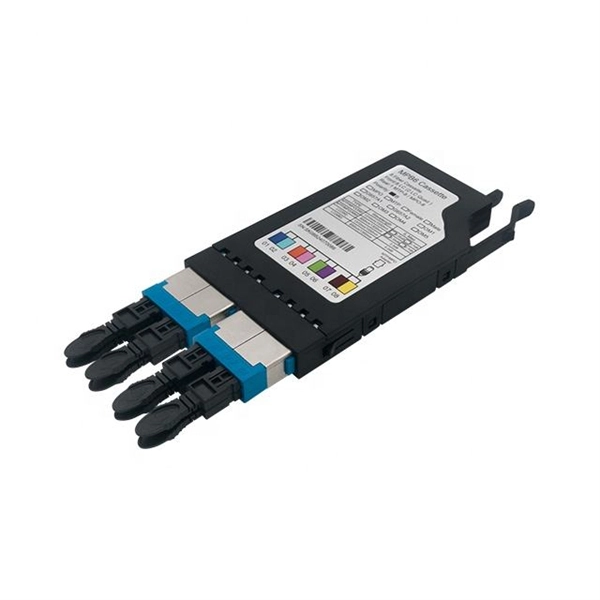
 Fiber cable termination
Fiber Optic cable termination is the addition of connectors to each optical fiber in a cable. The fibers need to have connectors fitted
 Factory
 What is fiber optic pigtail?and armored fiber pigtails
These pigtails are engineered by adding a special armored structure around the optical fiber, which significantly
 Factory
 Fiber Optic Patch Cords vs Pigtails: Uses & Differences
This guide demystifies fiber optic patch cords and pigtails, exploring their definitions, designs, connector types, and