Temperature Standards for Power and Communication Equipment Rooms
Optimal temperatures for equipment rooms vary by equipment type: 20–25°C for IT/comms rooms, 20–26°C for control rooms, and up to 45–55°C for power and electrical machinery, depending on standards and equipment ratings.
Communications (Comms) Rooms
For IT and communications equipment such as servers, switches, and routers, maintaining a stable temperature is critical for performance and reliability. The recommended ambient temperature is around 22°C (71.6°F), with an acceptable range of 20–25°C (68–77°F). This range ensures effective heat dissipation, reduces the risk of overheating, and maintains energy efficiency. Relative humidity should be maintained between 40–60% to prevent condensation, corrosion, and static electricity buildup .
Control Rooms
Control rooms housing electronic control systems should maintain a slightly broader temperature range. Recommended ambient temperatures are 68–78°F (20–26°C) with relative humidity 35–50% ±5% for electronics controls. For rooms containing only electrical gear, temperatures should remain below 90°F (32°C) with humidity under 60% . Pressurization and proper air handling are also recommended to protect sensitive equipment.
Power Equipment Rooms
Power distribution and electrical machinery, including switchgear, UPS, transformers, and rotating machinery, can tolerate higher temperatures but must comply with safety and operational standards. According to U.S. CFR marine regulations:
- Rotating electrical machinery: 50°C (122°F) ambient, or 45°C (113°F) if verified .
- Non-rotating electrical equipment and cables: 45°C (113°F) ambient .
- Control and instrumentation equipment: 55°C (131°F) ambient . IEC safety standards also define maximum surface temperatures for operator-accessible parts to prevent burns or injury, emphasizing that equipment should remain safe under normal and fault conditions .
Summary Table
| Room Type | Recommended Temperature | Relative Humidity | Notes |
|---|---|---|---|
| Comms/IT Room | 20–25°C (68–77°F), ideal 22°C | 40–60% | Ensures performance, reliability, and energy efficiency |
| Control Room | 20–26°C (68–78°F) | 35–50% ±5% | Protects electronic controls; <90°F for electrical gear |
| Power Equipment Room | 45–55°C (113–131°F) depending on equipment | <60% | Rotating machinery 50°C, non-rotating 45°C, control/instrumentation 55°C |
Maintaining these temperature ranges helps maximize equipment lifespan, ensure operational reliability, and comply with safety standards. Proper HVAC design, monitoring, and derating of equipment when ambient temperatures exceed rated values are essential for safe and efficient operation.
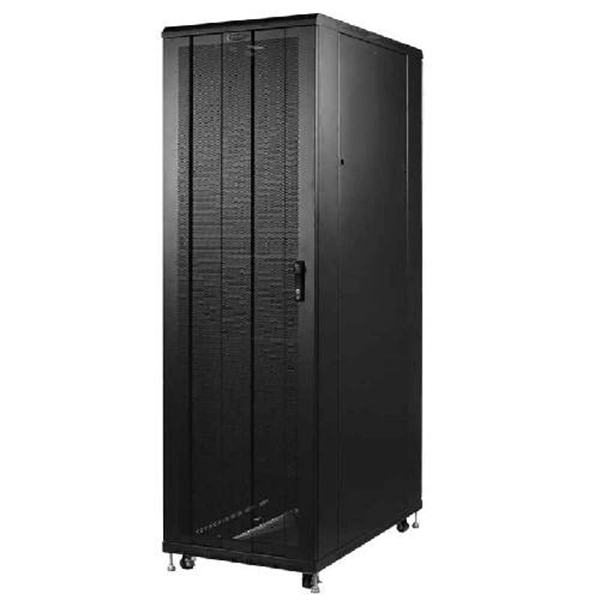 Factory
 EB-ThermalEdge-ThermalManagement-Revised-02.10.16
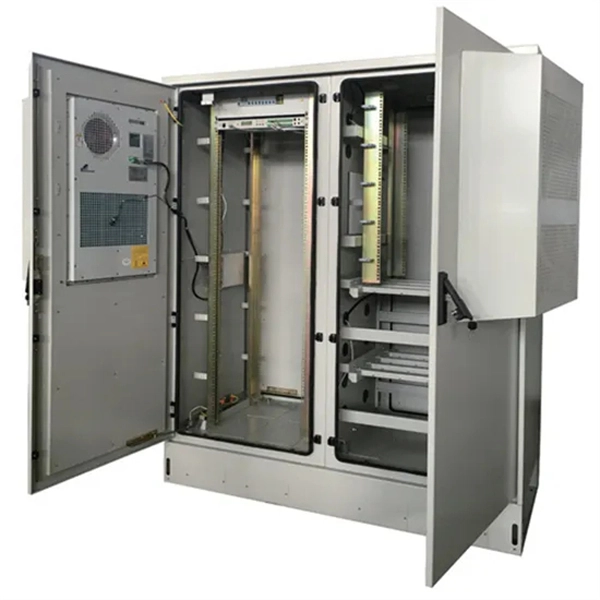
Although the most rugged types of telecom equipment can operate without heating and cooling, most outdoor telecom cabinets are
 Factory
 What are the ASHRAE guidelines for data center electrical room
Energy Efficiency Considerations ASHRAE Standard 90.1 establishes energy efficiency requirements that impact electrical room
 Factory
 Recommended standards for monitoring server rooms
On this page you will find the standards recommended by ASHRAE for monitoring the environment in your
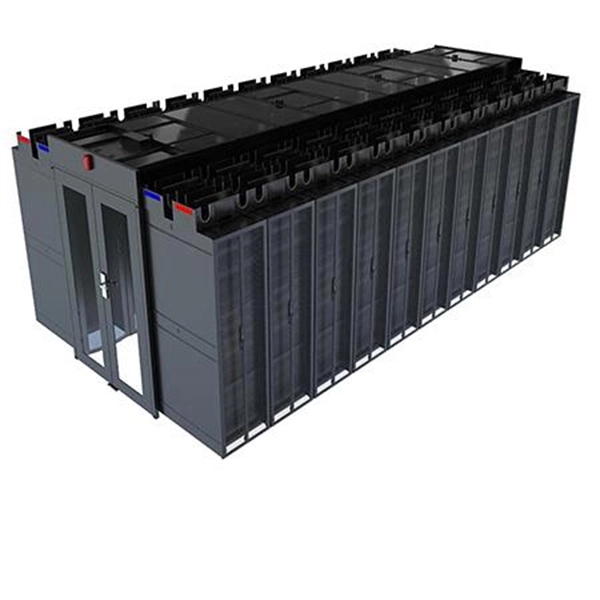 Factory
 ASHRAE TC9.9 Data Center Power Equipment Thermal Guidelines
Data Center Power Equipment Thermal Guidelines and Best Practices Whitepaper created by ASHRAE Technical Committee (TC)
 Factory
 Environmental Requirements for Control Rooms, Equipment Rooms,
Proper temperature and humidity control in control rooms, equipment rooms, and electrical distribution rooms is crucial for the
 Factory
 Standards and Guidelines
Preview ASHRAE Standards and Guidelines Free read-only access for ASHRAE Standards and Guidelines is provided to you after
 Factory
 The ASHRAE Thermal Guidelines for Data Centers Past, Present,
The recommended envelope was chosen based on a number of inputs, the primary being the reliability of ITE, power increases of
 Factory
 Best Practices Guide for Energy-Efficient Data Center Design
1. Reduce energy use by making systems as efficient as possible – the associated data center metric is Power Usage Effectiveness
 Factory
 Requirements for Building Thermal Conditions under Normal and
In addition to the four classes of requirements for IT and communications equipment facilities discussed above (classes A1 through
 Factory
 What is the correct temperature for a server room?
A cool ambient temperature in the room is an easy way to cool down the thousands of hotspots in the room. But it''s inefficient: The
 Factory
 eCFR :: 46 CFR 111.01-15 -
The assumed ambient temperature of the space plus the equipment''s actual temperature rise at its derated load must not exceed the
 Factory
 What is the right temperature room for an electrical room?
Hi community, What is the typical room temperature for an electrical room? let''s say some panels that have a PLC with modules,
 Factory
 Specifications for Networking Standards
Room design must consider physical access for staff and equipment, illumination, temperature and humidity, sound isolation, floor
 Factory
 Environmental Design Requirements for Mechanical and Electrical
Subchapter 6.1.18 “HVAC Design for Equipment Rooms” changed environmental requirements for mechanical and electrical rooms
 Factory
 Environmental Requirements for Control Rooms, Equipment Rooms,
Temperature Requirements: The recommended temperature range is 18°C to 28°C, with exact values depending on the
 Factory
 Why 22 Degrees C is the Perfect Temperature for a Comms Room
Most IT equipment manufacturers specify an optimal operating temperature range, usually between 20 and 25
 Factory
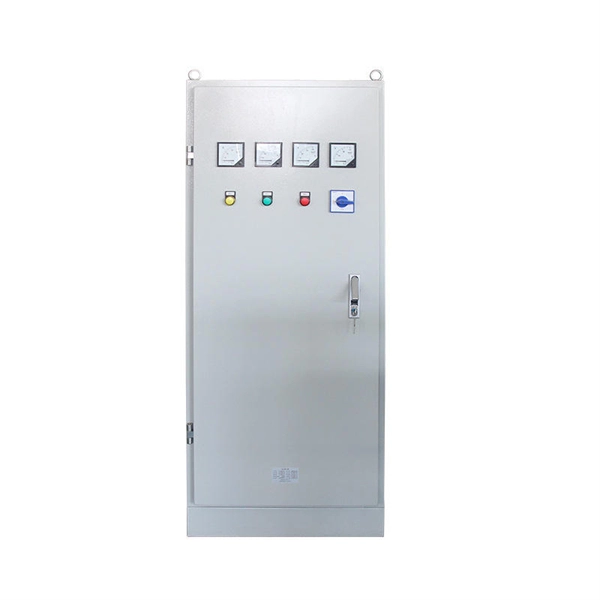
 What is the Right Temperature Set Point for An Electrical Enclosure
The enclosure cooling unit is intended to keep electrical equipment in an acceptable working environment, but this
 Factory
 Temperature and humidity design criteria
Use these temperature and humidity design criteria to ensure that your data center environment provides optimal
 Factory
 The elements of the telecommunications cabling system structure are:
The telecommunications room shall be dedicated to the telecommunications function and related support facilities. The
 Factory
 Section 271100
RCDD: Registered Communications Distribution Designer Entrance Telecommunications Room (ETR): An enclosed architectural
 Factory
 ISO/IEC TS 22237-4:2018 (en), Information technology ? Data centre
The ISO/IEC TS 22237 series specifies requirements and recommendations to support the various parties involved in the design,
 Factory
 Use ASHRAE guidelines to get server temperature right
Use ASHRAE guidelines to get server temperature right Follow ASHRAE''s guidelines to set up the right facility for your
 Factory
 Specifications for Networking Standards
This document is intended to act as guidance for the installation of a Communications Rooms required to support the network
 Factory
 electrical equipment room temperature | Automation & Control
Hi, Our HVAC gurus are on a mission to save energy cost. In the past I have asked the electrical equipment rooms to
 Factory
 Communications Units & Communications Rooms
Experience shows, the design and location of Communications Units and Communications Rooms is very often ''a last minute
 Factory
 SPECIFICATION 271100 COMMUNICATIONS CABINETS AND
This section includes the specifications for constructing and building out of Telecommunications Equipment Rooms
 Factory
 Design Considerations for Maximum Allowable Temperature
Temperature tests are performed at the specified temperature range, and at least the minimum range, specified in the relevant
 Factory
 Design Considerations for Maximum Temperature per IEC Safety
Temperature tests are performed at the specified temperature range, and at least the minimum range, specified in the